If Plastic Extrusions Disappeared Tomorrow
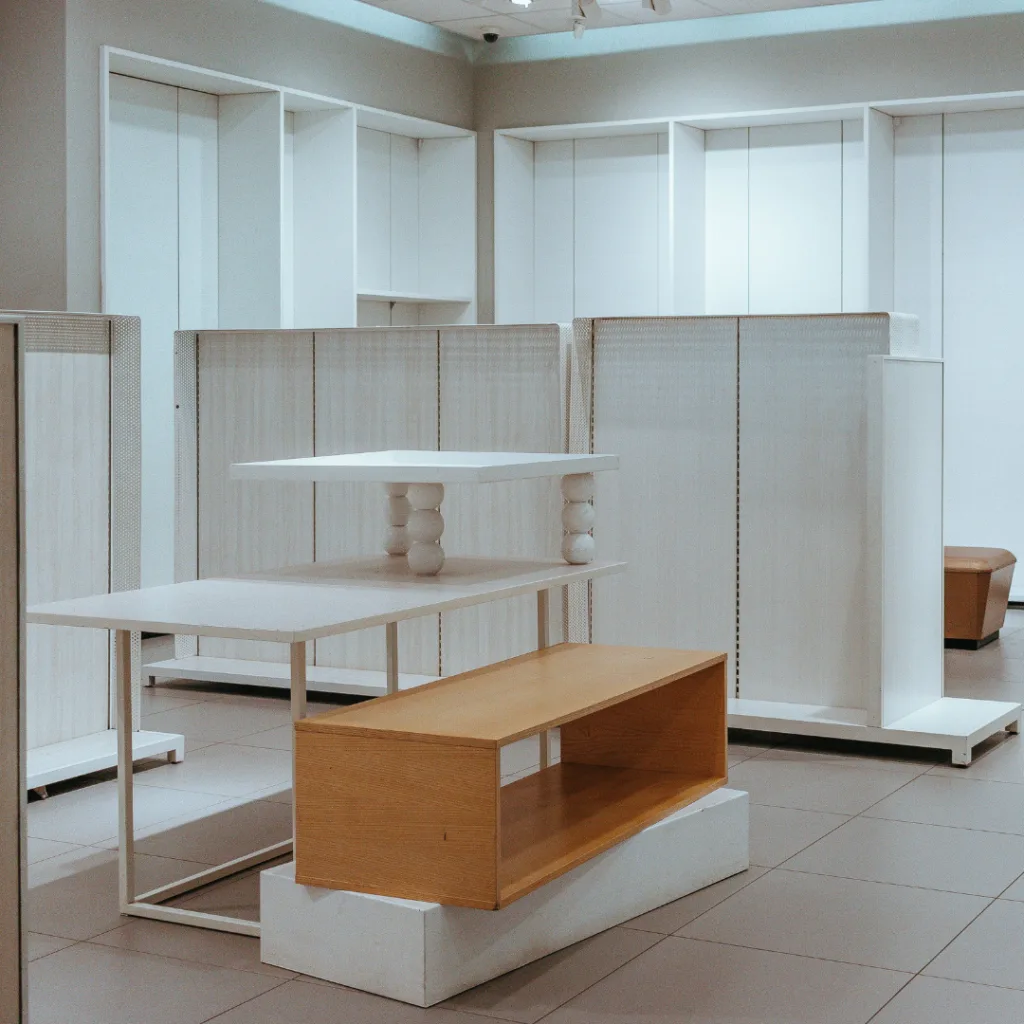
Walk into almost any retail store, warehouse, or manufacturing facility and you’ll be surrounded by plastic extrusions without ever noticing them.
They frame signage, guide sliding doors, protect sharp edges, and hold products in place on shelves. They’re the components nobody thinks about, until they’re gone.
So let’s run the thought experiment: what actually happens if plastic extrusions disappeared tomorrow?
A Process Most People Never Think About
What is an extrusion? In simple terms, it’s raw plastic material that’s heated, melted, and forced through a shaped die, so whatever profile that die is cut into, a channel, a tube, a trim piece, comes out the other end as a continuous length of that exact shape.
It looks simple. It isn’t.
A skilled plastic extruder is managing thermal expansion, wall-thickness consistency, and dimensional tolerance on parts that often need to interlock with metal, glass, wood, or corrugate downstream.
The Quiet Work of Channels and Trim
Now imagine those parts vanish. Walk through a big-box store on a Monday morning, and every aisle end-cap, every seasonal display, every shelf-edge price strip is running on a part nobody clocks as engineering. That’s the store you’d walk into the day after plastic extrusions disappeared, except none of it would be standing.
Start with the plastic c channel. It’s the open-faced slot that lets a store associate slide a paper sign or price tag into place in about three seconds, no tools, no adhesive, no fasteners. Multiply that by every register lane, every promotional display, every category sign in a national retail chain, and you start to see the scale of what a “small” plastic profile is actually doing. Without it, retailers are back to tape, zip ties, or custom-fabricated sign holders – slower to install, more expensive to replace, and far less consistent from store to store.
Move to the fixtures themselves. The plastic u channel is frequently built as a sliding channel, and that sliding function is the whole point: it lets a graphic panel, an insulator, or a bus bar slide in and lock into a fixed track rather than being permanently bonded. Pull that part out of the supply chain and every fixture that depended on a swappable panel now needs a redesign, and a redesign means new tooling, new lead time, and a fixture that no longer updates in the field.
Then there’s the l channel, extruded at a clean 90-degree angle and doing more structural work than its size suggests. It’s the corner guard protecting a warehouse rack from forklift impact, the bracket holding a sign at the right viewing angle, the shelf edge keeping product from sliding off during restocking. Lose it, and a facilities manager isn’t ordering a replacement part, they’re sourcing a metal bracket, waiting on a machine shop, and paying several times the cost for something that used to ship same-day.
The h channel, often called a joiner channel, is the part that lets a display builder put two panels of corrugate, plywood, or foam board together into one continuous, finished surface. Without it, every point-of-purchase display supplier loses a fast assembly method and has to fall back on adhesives or mechanical fasteners that add labor, add drying time, and rarely look as clean. And a j trim piece that is small enough to disappear into the background of a finished display is what turns a raw, sharp panel edge into something safe to handle and pleasant to look at. Pull it out of the picture, and every display in the store starts looking, and feeling, unfinished.
None of these parts announce themselves. They’re chosen once, at the design stage, and then they simply work for years without anyone thinking about them again, which is exactly why their absence would be so disruptive. The store wouldn’t just look different. It would function worse, cost more to build, and take longer to change.
Why Custom Profiles Matter More Than They Get Credit For
Plastic extrusion companies are capable of doing this work well and are harder to replace than they look. Plastic extrusion suppliers who maintain in-house tooling, offer true no-minimum runs, and collaborate on material selection and die design are solving engineering problems, not just running a machine. If that expertise disappeared along with the parts, product designers would lose one of their fastest, most cost-effective paths from concept to finished component.
The Takeaway
Plastic extrusions succeed by being invisible. They’re not meant to be noticed, they’re meant to work quietly, hold their shape, and outlast the products they support. That’s precisely why the thought experiment is worth running: the parts that go unnoticed are often the ones doing the most structural, functional, and economic work. Jifram Extrusions has spent decades engineering exactly these kinds of components like channels, trim, and custom profiles, so the businesses relying on them never have to find out what happens if they disappear.