
What is Plastic Extrusion?
Plastic extrusion is a manufacturing process used to create continuous plastic profiles with consistent cross-sectional shapes. The process involves melting raw plastic material and forcing it through a custom die to produce a specific profile, channel, trim, or tube. Once formed, the material is cooled and cut to the required length for its intended application.
Plastic extrusion is one of the most efficient and versatile manufacturing methods available today. It allows manufacturers to produce custom plastic extrusions in virtually any profile while maintaining tight tolerances, consistent quality, and cost-effective production. From retail display components and lighting systems to OEM products and industrial equipment, extruded plastic profiles are found in countless applications across a wide range of industries.
As one of the most widely used plastic manufacturing processes, plastic extrusion enables the production of everything from plastic channels and trim pieces to custom profiles designed for highly specialized applications.
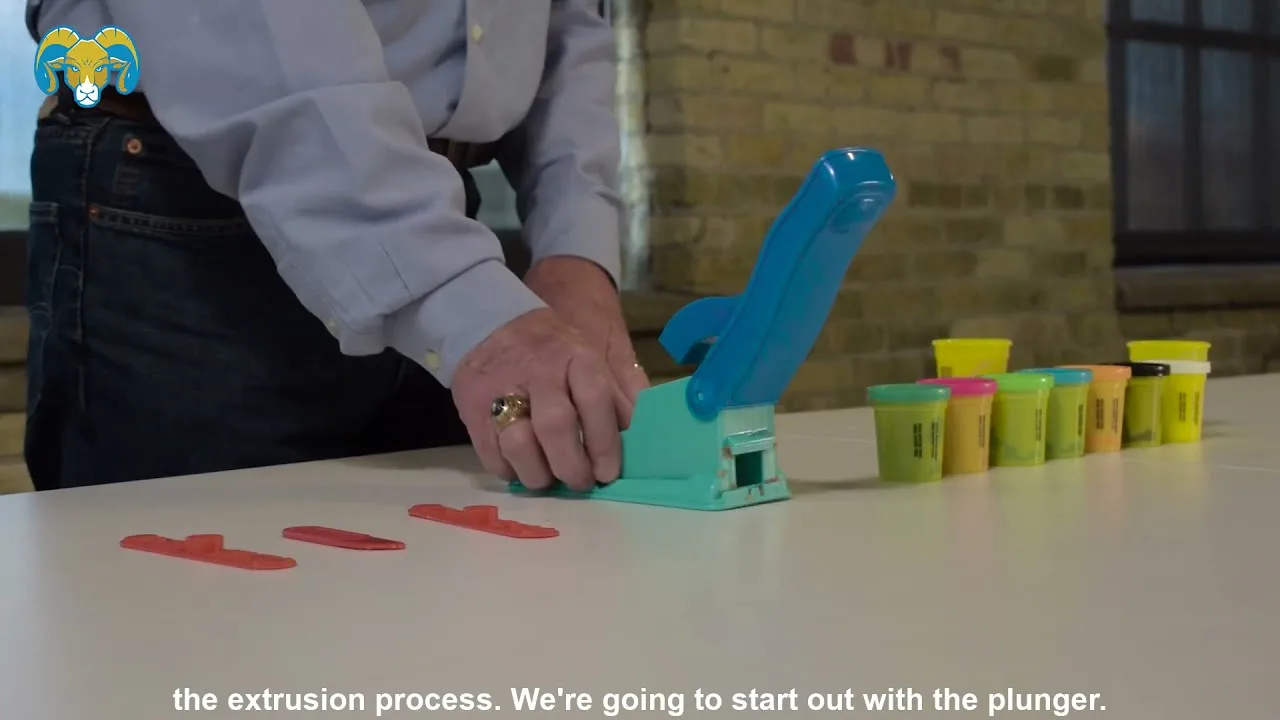
How Does the Plastic Extrusion Process Work?
The plastic extrusion process follows a series of controlled steps that transform raw plastic material into a finished profile. While the specific materials and requirements may vary by application, the overall process remains largely the same.
Step 1: Raw Material Preparation
The process begins with raw plastic pellets or resin. Depending on the application, additives, UV inhibitors, impact modifiers, or color concentrates may be blended with the material before processing.
Careful material selection is critical because the chosen resin affects durability, flexibility, appearance, temperature resistance, and overall performance of the finished extrusion.
Step 2: Material Feeding and Extrusion Initiation
The prepared plastic material enters the plastic extruder through a feed hopper. Inside the extruder, a rotating screw continuously conveys the material forward through a heated barrel.
As the screw rotates, it generates both friction and pressure, helping move the material through the extrusion system while preparing it for melting.
Step 3: Melting the Plastic
As the material travels through the barrel, temperatures rise to approximately 400°F (200°C), depending on the resin being processed.
The combination of heat, pressure, and mechanical action transforms the pellets into a homogeneous molten plastic. Maintaining precise temperature control during this stage is essential for producing high-quality extrusion plastic products with consistent dimensions and performance.
Step 4: Filtering and Material Conditioning
Before reaching the die, the molten plastic passes through a screen pack that removes contaminants and unwanted particles.
This filtration step helps improve product quality, reduce defects, and ensure a smoother finished surface. The cleaner the material entering the die, the more consistent the final profile will be.
Step 5: Profile Formation Through the Die
The molten plastic is then forced through a custom-engineered die that creates the desired profile shape.
This is where the flexibility of plastic extrusion becomes most apparent. Manufacturers can produce an almost limitless variety of profiles, including:
- Plastic U channel profiles
- Plastic C channel profiles
- H channel profiles
- Sliding channel systems
- L channel components
- J trim and decorative trim profiles
- Light diffusers and lighting lenses
- Retail display profiles
- Custom plastic extrusions for OEM applications
The die determines the cross-sectional shape, while downstream equipment controls dimensional accuracy and consistency.
Step 6: Cooling and Finishing
After exiting the die, the profile enters a cooling system that stabilizes its shape and dimensions.
Depending on the application, the finished extrusion may be:
- Cut to specific lengths
- Coiled or spooled
- Drilled, punched, or machined
- Packaged for shipment
- Integrated into secondary assembly processes
Once cooled and finished, the profile is ready for use in its final application.
Common Plastic Extrusion Products
Plastic extrusion is ideal for creating continuous shapes that maintain the same profile along their entire length. Examples include:
- Plastic channels
- Plastic trim
- Window and door profiles
- Weather stripping
- Wire and cable management components
- Lighting lenses and diffusers
- Display fixture components
- Protective edge trim
- Structural profiles
- Custom profiles designed for OEM products
Because tooling can be customized to specific requirements, plastic extrusion companies can create profiles tailored to unique product designs and performance requirements.
Where Are Plastic Extrusions Used?
Extruded plastic products serve industries ranging from retail environments to highly engineered industrial applications.
Retail Display and POP Applications
Plastic extrusions play a major role in retail display systems and point-of-purchase (POP) environments. Common applications include:
- Sign holders
- Shelf management systems
- Label channels
- Product display fixtures
- Graphic display frames
- Lighting integration components
Custom profiles help retailers create organized, durable, and visually appealing merchandising displays.
OEM and Industrial Applications
OEM manufacturers frequently rely on custom plastic extrusions to support product functionality, assembly efficiency, and long-term durability. Common uses include:
- Equipment housings
- Protective covers
- Wire management systems
- Machine guards
- Transportation components
- Medical equipment profiles
- Appliance components
For many OEMs, extrusion offers a cost-effective alternative to more complex manufacturing methods while maintaining excellent design flexibility.
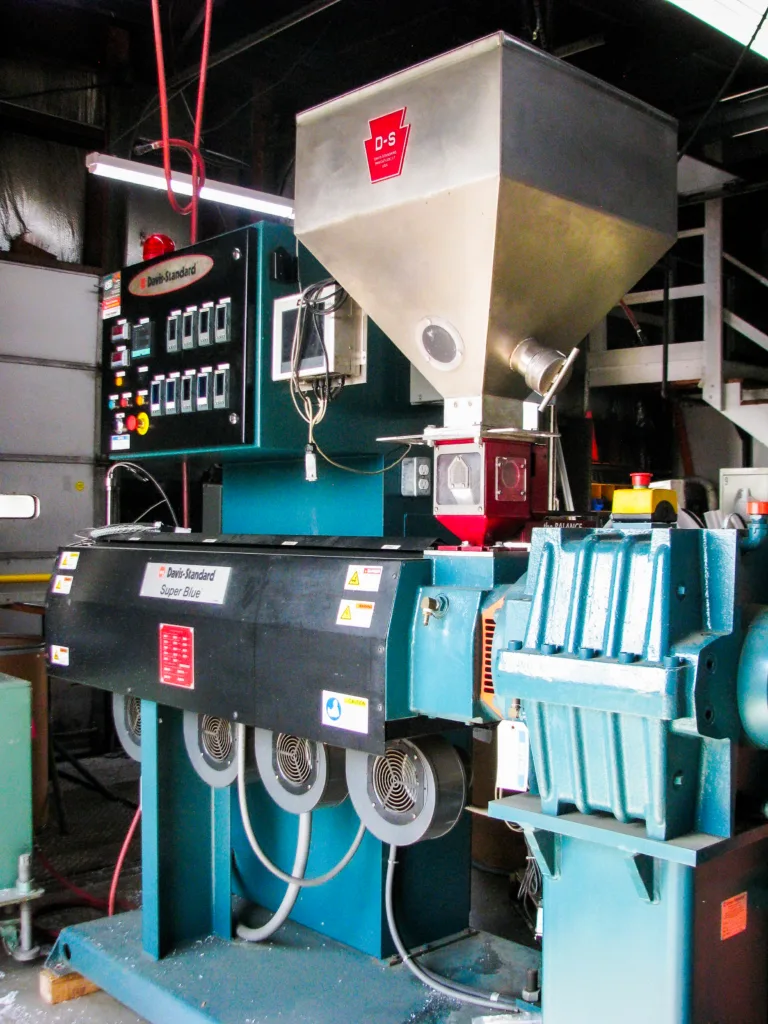
Plastic Extrusion vs. Other Plastic Manufacturing Processes
Plastic extrusion differs from processes such as injection molding and blow molding because it produces continuous shapes rather than individual molded parts.
Injection molding creates discrete components one cycle at a time, while extrusion continuously produces a profile that can be cut to any required length.
This makes plastic extrusion particularly well suited for:
- Long profiles
- Trim components
- Channels
- Structural shapes
- Continuous production runs
- Custom profile applications
For products that require a consistent cross-section across long lengths, extrusion is often the most efficient manufacturing solution available.
Why Choose Plastic Extrusion?
Plastic extrusion offers several advantages for manufacturers and product designers:
- Cost-effective production
- High-volume manufacturing capabilities
- Excellent dimensional consistency
- Wide material selection
- Flexible custom profile design
- Reduced material waste
- Ability to create complex shapes
Whether producing a simple plastic channel or a highly engineered custom profile, plastic extrusion remains one of the most versatile and reliable manufacturing processes available.
Partner with an Experienced Plastic Extrusion Manufacturer
Selecting the right extrusion partner is critical to achieving quality, consistency, and performance.
Experienced plastic extrusion suppliers can assist with profile design, material selection, tooling development, and manufacturing optimization to ensure your finished product meets both functional and aesthetic requirements.
Whether you’re developing a retail display system, an OEM component, or a custom profile for a specialized application, plastic extrusion provides the flexibility and scalability needed to bring your design to life.